The Importance of Sleep Hygiene
Sleep hygiene refers to a set of practices and habits that are necessary to have normal, quality nighttime sleep and full daytime alertness. Poor sleep hygiene can lead to insomnia and other sleep disorders, impacting overall health and well-being. At Vitality Hub, we understand the critical role sleep plays in your life, and we're dedicated to providing you with the resources and knowledge to improve your sleep habits.

Located in the serene city of Seattle, Washington, Vitality Hub is committed to helping individuals achieve optimal health through balanced lifestyle choices. Our sleep experts, including Dr. Anya Sharma and Professor David Chen, have dedicated years to researching and understanding the intricacies of sleep science. They've developed comprehensive strategies tailored to address various sleep challenges.
Key Components of Good Sleep Hygiene
- Maintain a Regular Sleep Schedule: Go to bed and wake up at the same time every day, even on weekends. This helps regulate your body's natural sleep-wake cycle, also known as your circadian rhythm.
- Create a Relaxing Bedtime Routine: Engage in calming activities before bed, such as reading a book, taking a warm bath, or listening to soothing music. Avoid screen time at least an hour before sleep.
- Optimize Your Sleep Environment: Ensure your bedroom is dark, quiet, and cool. Use blackout curtains, earplugs, or a white noise machine if needed. A comfortable mattress and pillows are also essential.
- Limit Caffeine and Alcohol Intake: Avoid caffeine and alcohol close to bedtime. These substances can interfere with your sleep cycle and prevent you from getting restful sleep.
- Get Regular Exercise: Regular physical activity can improve sleep quality. However, avoid strenuous exercise close to bedtime, as it can be stimulating.
- Manage Stress: Practice relaxation techniques such as meditation, deep breathing, or yoga to reduce stress and anxiety, which can interfere with sleep.
- Avoid Large Meals Before Bed: Eating a heavy meal before bed can disrupt sleep. If you're hungry, opt for a light snack.
- Expose Yourself to Sunlight During the Day: Sunlight helps regulate your circadian rhythm. Spend time outdoors during the day, especially in the morning.
Establishing a Consistent Sleep Schedule
One of the most effective ways to improve your sleep is to establish a consistent sleep schedule. This means going to bed and waking up at the same time every day, even on weekends. Consistency helps regulate your body's internal clock, making it easier to fall asleep and wake up feeling refreshed.

Dr. Sharma recommends setting an alarm not just for waking up but also as a reminder to start your bedtime routine. This helps signal to your body that it's time to wind down and prepare for sleep. It may take some time to adjust, but the benefits of a regular sleep schedule are well worth the effort.
Addressing Common Sleep Disorders
If you're consistently struggling with sleep, you may have a sleep disorder. Common sleep disorders include insomnia, sleep apnea, restless legs syndrome, and narcolepsy. These conditions can significantly impact your quality of life and require professional medical attention.
Insomnia
Insomnia is characterized by difficulty falling asleep, staying asleep, or both. It can be acute (short-term) or chronic (long-term). Cognitive behavioral therapy for insomnia (CBT-I) is a highly effective treatment option that helps individuals change negative thoughts and behaviors that contribute to sleep problems.
Sleep Apnea
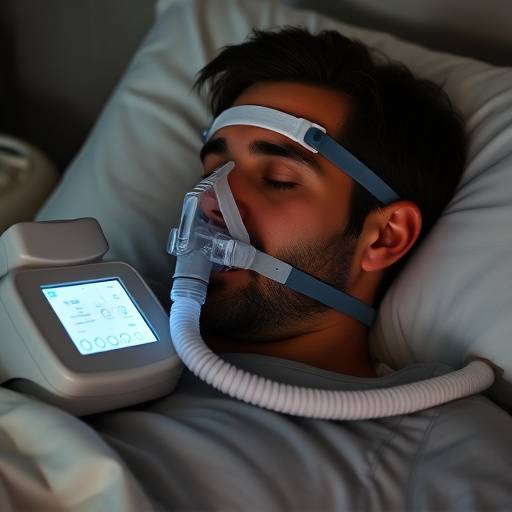
Sleep apnea is a condition in which breathing repeatedly stops and starts during sleep. This can lead to loud snoring, daytime fatigue, and serious health problems such as high blood pressure and heart disease. Treatment options include continuous positive airway pressure (CPAP) therapy, oral appliances, and surgery.
Restless Legs Syndrome (RLS)
Restless legs syndrome is a neurological disorder characterized by an irresistible urge to move the legs, often accompanied by uncomfortable sensations. Symptoms are typically worse in the evening or at night. Treatment options include lifestyle changes, medication, and iron supplements.
Narcolepsy
Narcolepsy is a chronic neurological disorder that affects the brain's ability to regulate the sleep-wake cycle. Symptoms include excessive daytime sleepiness, sudden muscle weakness (cataplexy), sleep paralysis, and hallucinations. Treatment options include medication and lifestyle changes.
Seeking Professional Help
If you suspect you have a sleep disorder, it's essential to consult with a healthcare professional or a sleep specialist. They can conduct a thorough evaluation, diagnose your condition, and recommend the most appropriate treatment plan. At Vitality Hub, we can provide referrals to trusted sleep specialists in the Seattle area.

The Vitality Hub Approach to Sleep
At Vitality Hub, we believe that sleep is a cornerstone of overall health and well-being. Our approach to sleep emphasizes personalized strategies tailored to your individual needs and circumstances. We offer workshops, one-on-one coaching sessions, and online resources to help you improve your sleep habits and achieve restful nights.
Contact us at (206) 555-WELL or email us at [email protected] to learn more about our sleep programs and services. Our office is located at 123 Wellness Way, Seattle, WA 98101. We're here to support you on your journey to better sleep and a healthier life.
Nutrition's Role in Sleep
What you eat throughout the day can significantly influence your sleep quality. A balanced diet rich in fruits, vegetables, whole grains, and lean protein provides the nutrients your body needs to regulate sleep hormones like melatonin. Conversely, processed foods, sugary drinks, and excessive caffeine can disrupt sleep patterns. Learn more about nutrition at Vitality Hub.
Exercise and Sleep Quality
Regular physical activity can promote better sleep, but timing is crucial. Engaging in moderate exercise during the day can help regulate your circadian rhythm and reduce stress, leading to improved sleep quality. However, avoid intense workouts close to bedtime, as they can have a stimulating effect. Discover effective exercise routines for better sleep.
Mental Well-being and Sleep
Mental health issues like anxiety and depression often disrupt sleep. Managing stress, practicing mindfulness, and engaging in relaxation techniques can improve both mental well-being and sleep quality. Explore mental health resources and strategies at Vitality Hub.