Understanding a Balanced Diet
A balanced diet provides your body with the nutrients it needs to function correctly. It includes a variety of foods from all food groups, ensuring you get the right amount of calories, protein, carbohydrates, fats, vitamins, and minerals. Aim for a diet rich in fruits, vegetables, whole grains, lean proteins, and healthy fats.
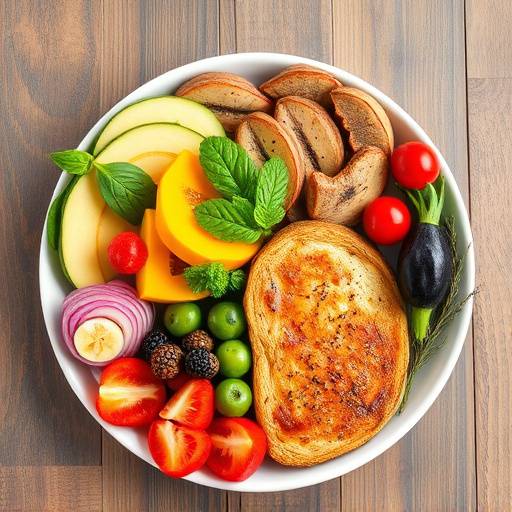
The Importance of Macronutrients
Macronutrients are essential nutrients that the body needs in large amounts. These include carbohydrates, proteins, and fats. Each macronutrient plays a unique role in maintaining health and providing energy.
- Carbohydrates: The body's primary source of energy. Choose complex carbohydrates like whole grains, fruits, and vegetables over simple sugars.
- Proteins: Essential for building and repairing tissues. Good sources include lean meats, poultry, fish, beans, and lentils.
- Fats: Important for hormone production, cell function, and energy storage. Opt for healthy fats like those found in avocados, nuts, seeds, and olive oil.
Micronutrients: Vitamins and Minerals
Micronutrients, though needed in smaller amounts, are vital for various bodily functions. Vitamins and minerals support immune function, bone health, and energy production.
Key Vitamins: Vitamin A, Vitamin C, Vitamin D, Vitamin E, and B vitamins.
Key Minerals: Calcium, Iron, Potassium, Magnesium, and Zinc.
Meal Planning for Success
Meal planning is a powerful tool for maintaining a healthy diet. By planning your meals in advance, you can ensure you're getting the nutrients you need and avoid unhealthy impulse choices.
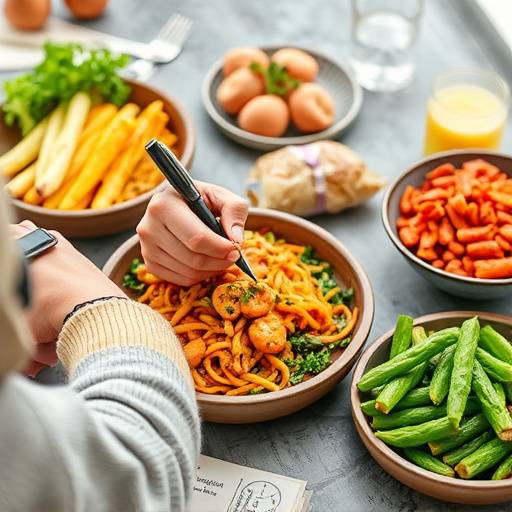
Tips for Effective Meal Planning
- Set Realistic Goals: Start small and gradually incorporate healthier choices into your meals.
- Plan Your Week: Take some time each week to plan your meals for the upcoming days.
- Create a Grocery List: Based on your meal plan, create a detailed grocery list to avoid impulse purchases.
- Prepare in Advance: Chop vegetables, cook grains, or prepare protein sources ahead of time to save time during the week.
- Stay Flexible: Be prepared to adjust your meal plan as needed based on your schedule and preferences.
Healthy Recipes to Try
Incorporating healthy recipes into your diet can be both enjoyable and beneficial. Here are a few ideas to get you started:
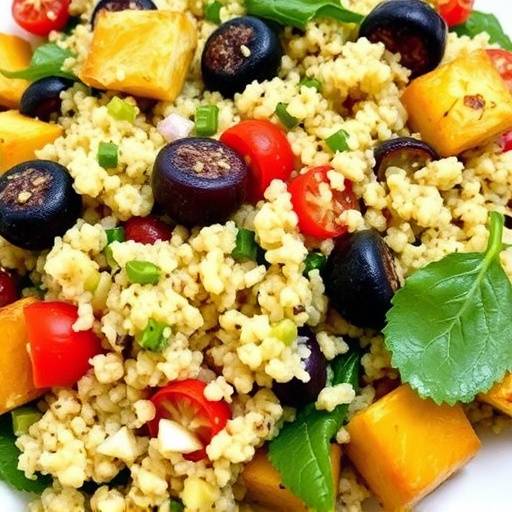
Quinoa Salad with Roasted Vegetables
A nutritious and flavorful salad packed with protein and fiber. Roast your favorite vegetables like broccoli, bell peppers, and zucchini, and toss them with cooked quinoa, herbs, and a light vinaigrette.
Lentil Soup
A hearty and comforting soup that is rich in protein and fiber. Lentils are a great source of plant-based protein and can be combined with vegetables like carrots, celery, and onions for a satisfying meal.
Baked Salmon with Asparagus
A simple and healthy dish that is packed with omega-3 fatty acids. Season salmon fillets with herbs and spices, and bake them alongside asparagus spears for a delicious and nutritious meal.
Nutritional Values Table
Here is a sample table showing nutritional values for common food items:
| Food Item | Serving Size | Calories | Protein (g) | Carbs (g) | Fat (g) |
|---|---|---|---|---|---|
| Apple | 1 medium | 95 | 0.5 | 25 | 0.3 |
| Banana | 1 medium | 105 | 1.3 | 27 | 0.4 |
| Chicken Breast (cooked) | 3 oz | 165 | 31 | 0 | 3.6 |
| Broccoli (cooked) | 1 cup | 55 | 3.7 | 11 | 0.6 |
| Almonds | 1 oz (28g) | 164 | 6 | 6 | 14 |
Disclaimer: Nutritional values may vary depending on the specific type and preparation method of the food item. Always refer to the product label for accurate information.
Consult with a Registered Dietitian
If you have specific dietary needs or concerns, consider consulting with a registered dietitian or nutritionist. They can provide personalized guidance and support to help you achieve your health goals. Nutrition experts like Dr. Emily Carter at 'NourishWell Nutrition' in downtown Burlington, Vermont, can help you tailor your dietary plans for optimal wellness. You can reach her office at (802) 555-1212 for appointments.
Related Articles
-
The Benefits of a Plant-Based Diet
-
Understanding Food Labels
-
Tips for Healthy Snacking
-
The Role of Hydration in Health
Featured Recipe
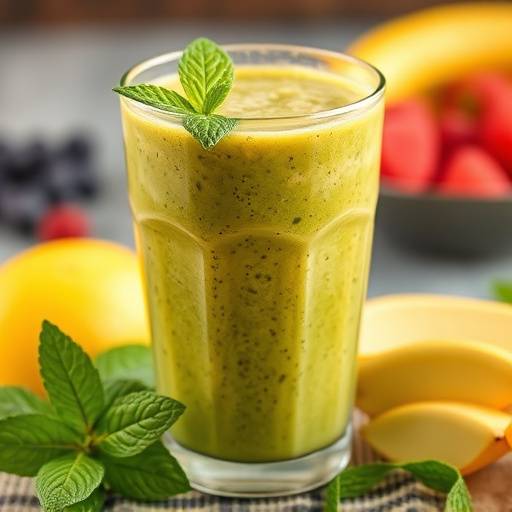
Green Smoothie: A refreshing and nutritious blend of spinach, banana, almond milk, and chia seeds.